
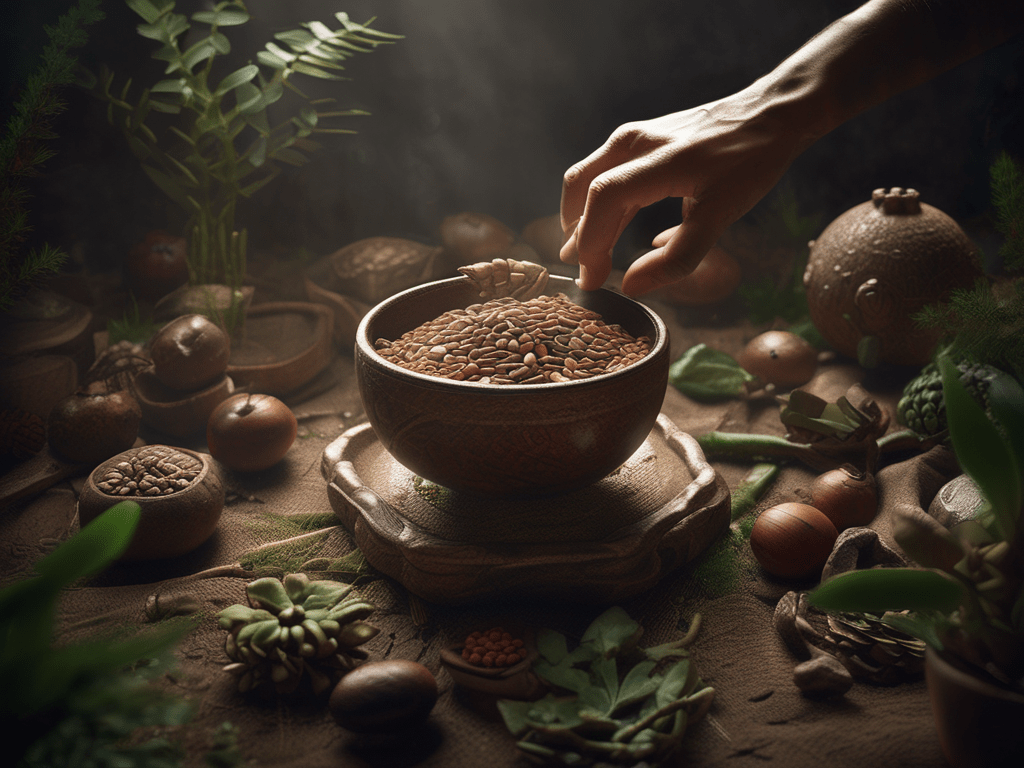
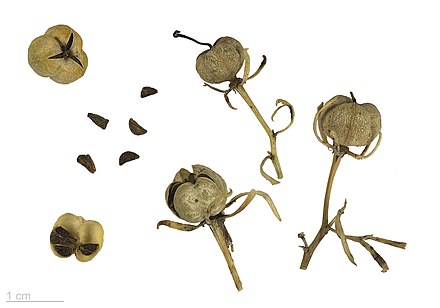
Espand was well known among the ancient Indo-Iranians. Dioscorides provides in the 1st century C.E. the earliest description of the plant, calling it Pêganon Agrion. Later Greek authors refer to it as Persaia Botane.
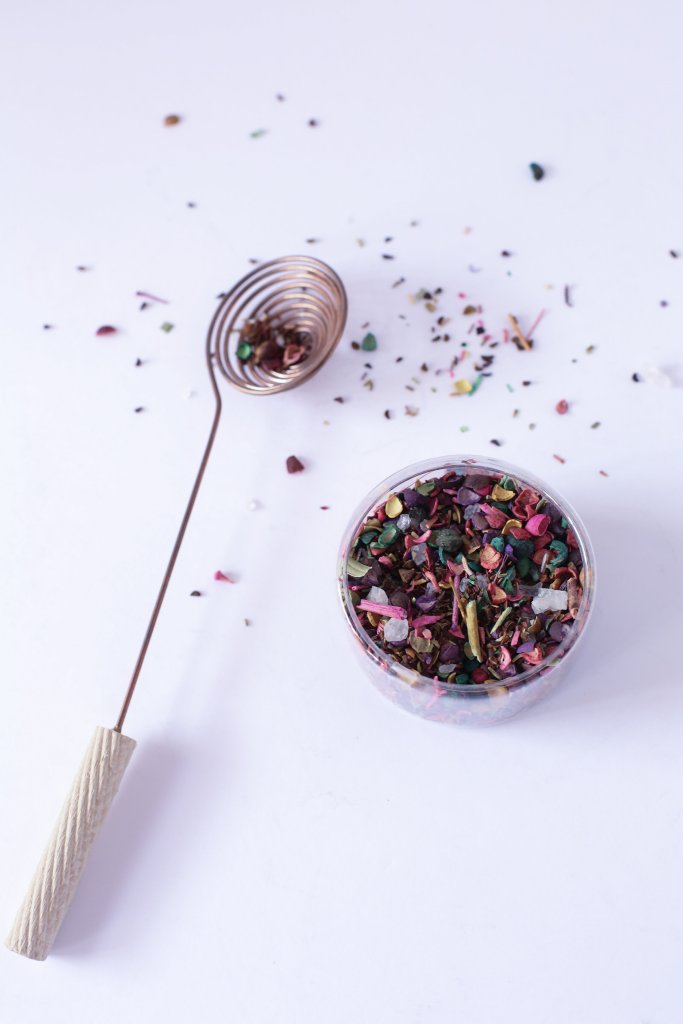
Cleansing away the Evil Eye
The plant is popular in Middle Eastern and north African folk medicine. Espacily in Persian cultural traditions, and is a hallucinogen. The linguists David Flattery and Martin Schwartz wrote a book in 1989 in which they theorised that the plant is the Avestan haoma mentioned in Zoroastrianism. The transcribed word haoma is thought to be likely related to the Vedic word soma; these names refer to a magical plant/drink that is mentioned in ancient Indo-Iranian texts but whose exact identity has been lost to history.
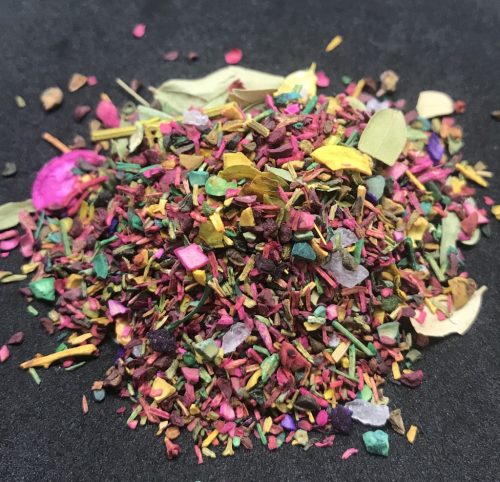
Among espand’s wide range of magico-medicinal properties, warding off the evil eye is probably the most popular. Iranian grandmas always murmur a prayer while circling a handful of espand mixed with cardamom pods around heads. The seeds explode like firecrackers, releasing a thick and distinctly fragrant smoke throughout the house. Similar to sage, esfand can also be used to smudge any given space of negative energy.
While Espand has been used for centuries in traditional medicine and rituals, it can be toxic in high doses and may interact with certain medications. Pregnant women and individuals with certain medical conditions should avoid its use. It’s essential to consult with a healthcare professional before using Espand, especially internally.





 Life is for living. Breathe. Move. Be
Leave a comment