
Learn about the origins and cultivation of bergamot, its uses in skincare, natural remedies, and its phototoxicity.
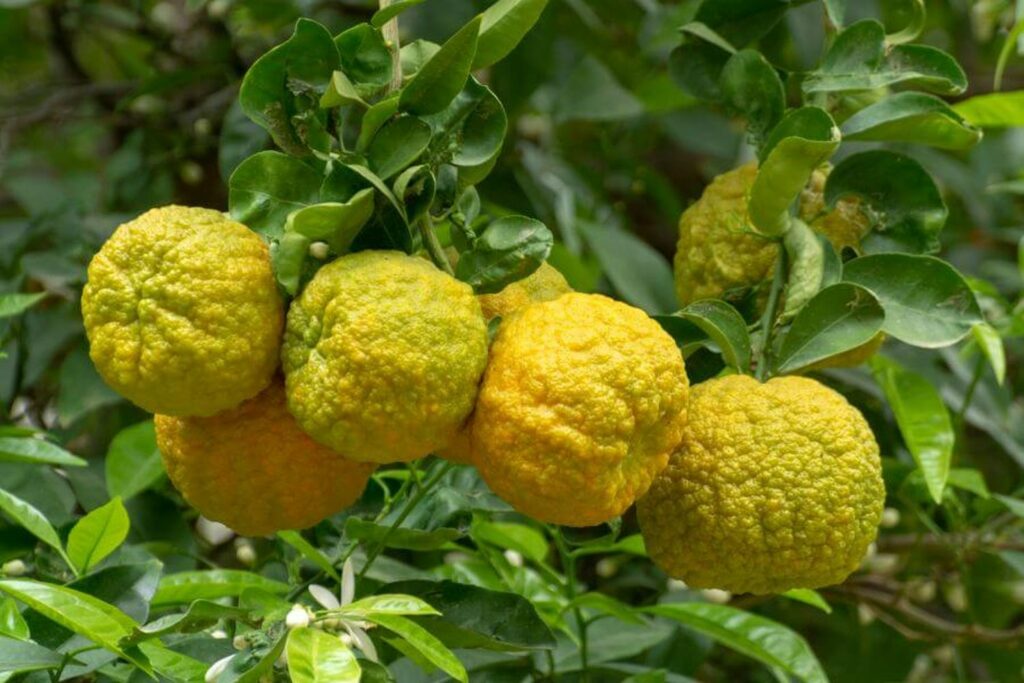
Bergamot is a bitter, inedible citrus fruit, often called a bergamot orange, it is yellow coloured like a lemon.
It is from a spiny tree called the citrus bergamia, that originated in the tropical climes of South East Asia and is now grown commercially in the province of Calabria in Southern Italy. You can also find it in the south of France and Africa’s Ivory Coast.
The tree blossoms in winter, and it is cultivated for the skin of the fruit, which is cold pressed for its oils, flavours and scents. What is lesser known about bergamot is that it is also grown in Antalya in southern Turkey where the skin is used to make Turkish marmalade.

The rinds of 100 bergamot oranges yield about 3 ounces (85 g) of bergamot oil.
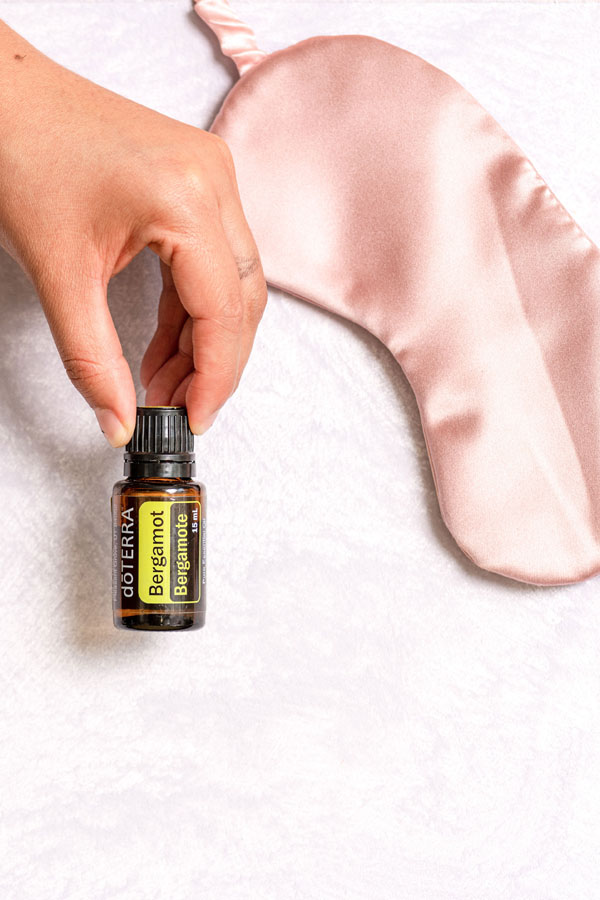
It a natural flavoring and deodorizing agent.
For centuries Bergamot was an important remedy in Italian folk medicine as an antiseptic and to reduce fevers.
Be carefull!
Bergamot is a phototoxic essential oil, meaning that if used topically it can cause the skin to burn if exposed to ultraviolet light!
Bergamot may have cholesterol-reducing properties. Another studyTrusted Source found that bergamot’s lipid and glycemic effects may result in a reduction of cardiovascular risk.
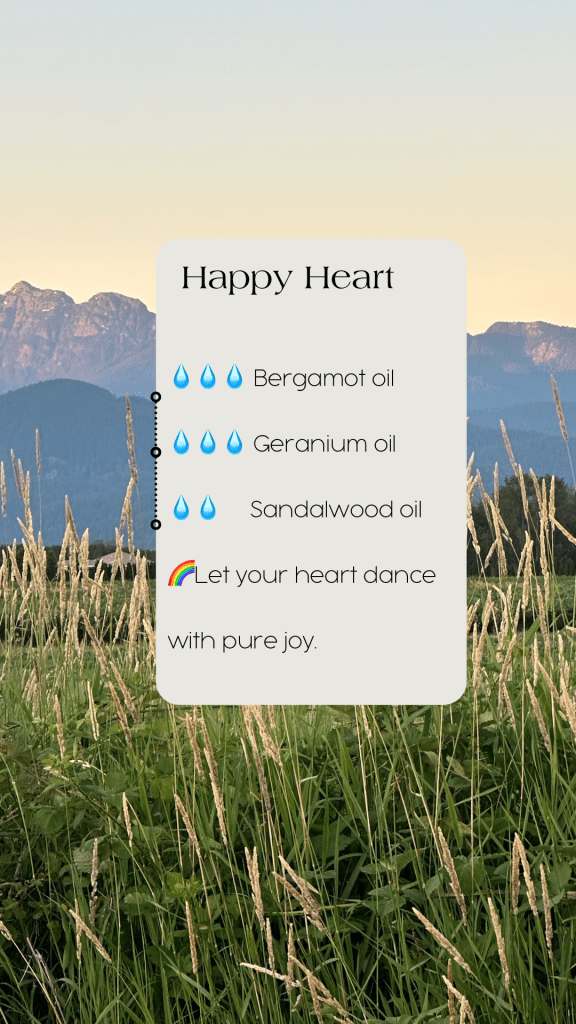
Bergamot oil is known to help boost and uplift moods, especially during times of grief or sadness. Let this oil blend help you have a happy heart!



 Life is for living. Breathe. Move. Be
Leave a comment