
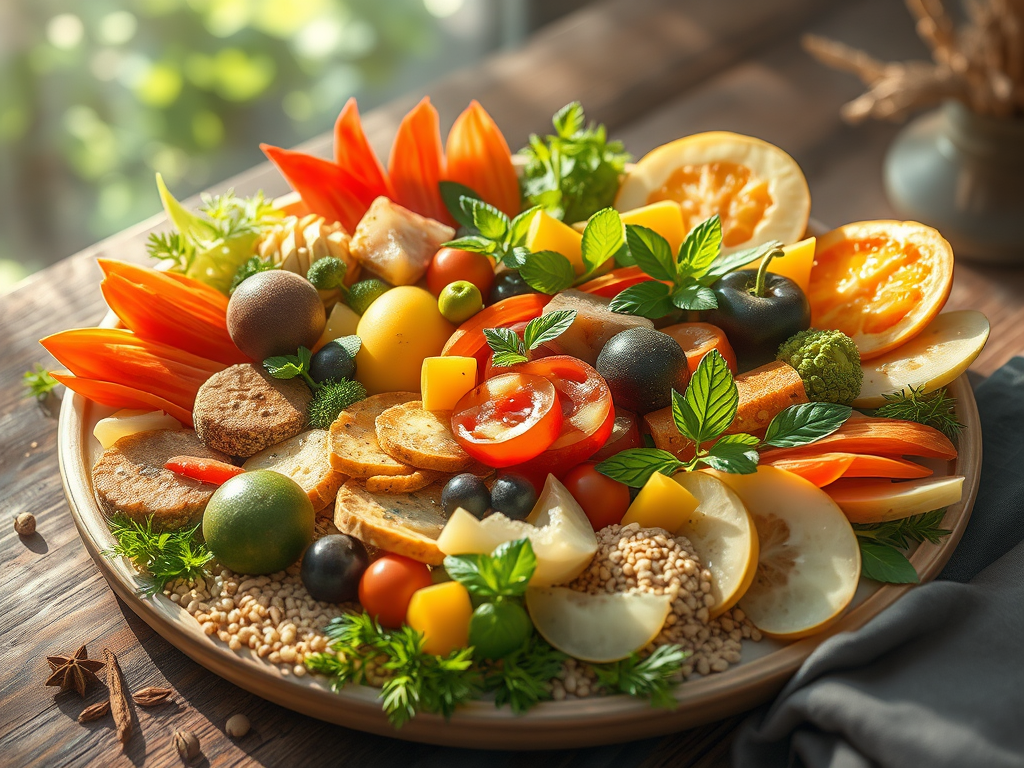
Sattvic food is pure, light, and life-giving. Rooted in the traditions of yoga and Ayurveda, it is believed to promote mental clarity, emotional harmony, and spiritual growth. Practitioners value sattvic food for its ability to increase sattva—the quality of purity, balance, and higher consciousness.
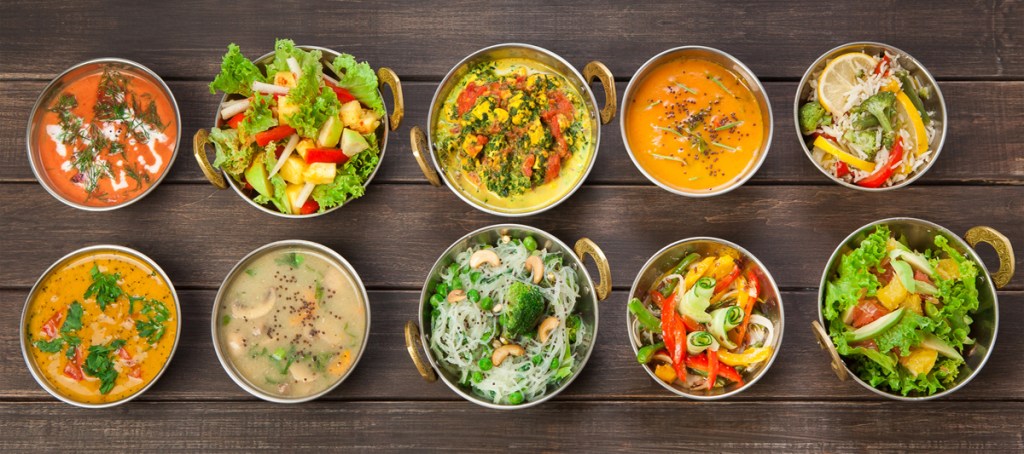
🌿 What Is Sattvic Food?
- Easy to digest
- Non-stimulating and non-suppressive to the nervous system
- Fresh and natural—not overly processed, fried, or heavily seasoned
- Prepared with love, peace, and mindful intention
- Vegetarian (often vegan)
🥦 Examples of Sattvic Foods
- Fresh fruits and vegetables (especially seasonal)
- Whole grains: rice, quinoa, millet, barley, oats
- Legumes: mung beans, lentils, chickpeas
- Ethically sourced dairy (in moderation): cow’s milk, ghee, paneer
- Nuts and seeds
- Gentle spices: turmeric, ginger, cumin, coriander, fennel
- Natural sweeteners: raw honey, dates, maple syrup
🚫 Not Considered Sattvic
These foods are classified as rajasic (agitating) or tamasic (dulling or heavy):
- ❌ Meat, fish, eggs
- ❌ Alcohol, coffee, black tea
- ❌ Onions, garlic, mushrooms (traditionally considered tamasic)
- ❌ Overcooked, processed, or canned foods
- ❌ Leftovers (“dead” or lifeless food)
- ❌ Excessive salt, pepper, or spicy seasonings
🧘♀️ Why Choose Sattvic Food?
- Enhances meditation and concentration
- Promotes lightness in the body and clarity in the mind
- Reduces inner agitation, fear, and anxiety
- Supports deeper spiritual practices and experiences (e.g., samadhi)
📌 Sample Sattvic Menu for the Day


Lunch:
– Basmati rice with dal (lentils seasoned with turmeric and cumin)
– Lightly spiced vegetable stew in ghee
– Fresh salad with olive oil
Afternoon Snack:
– Dates and almonds
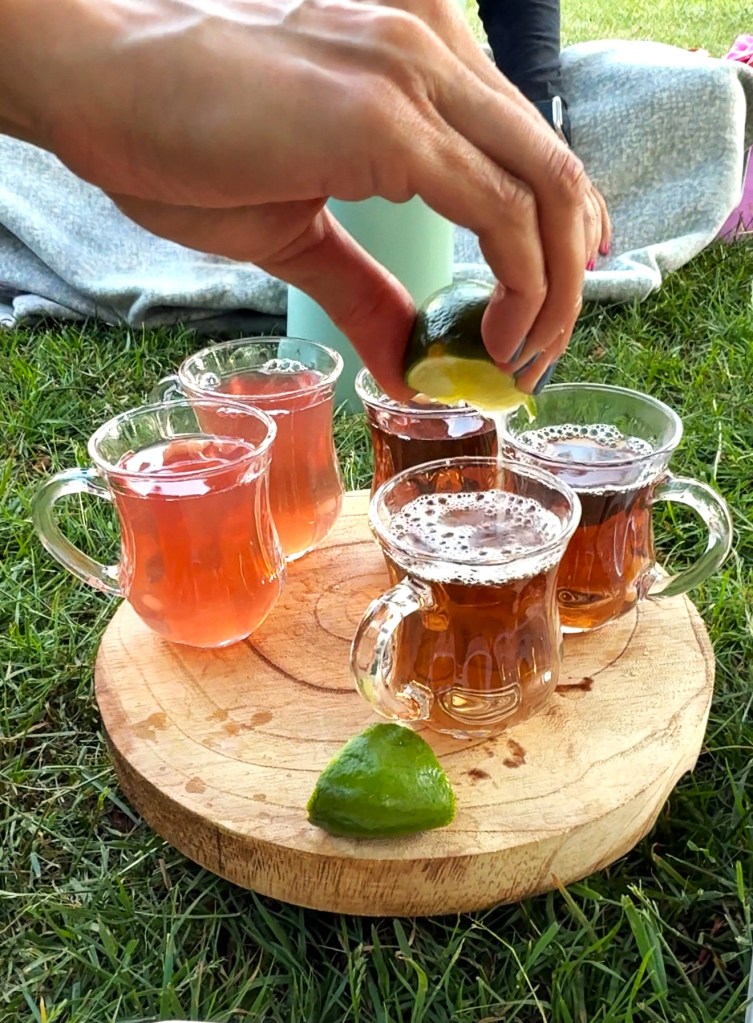
– Herbal tea (e.g., fennel or lavender)
Dinner:
– Kitchari (a blend of rice, mung beans, and vegetables)
– Ginger infusion








 Life is for living. Breathe. Move. Be
Leave a comment