
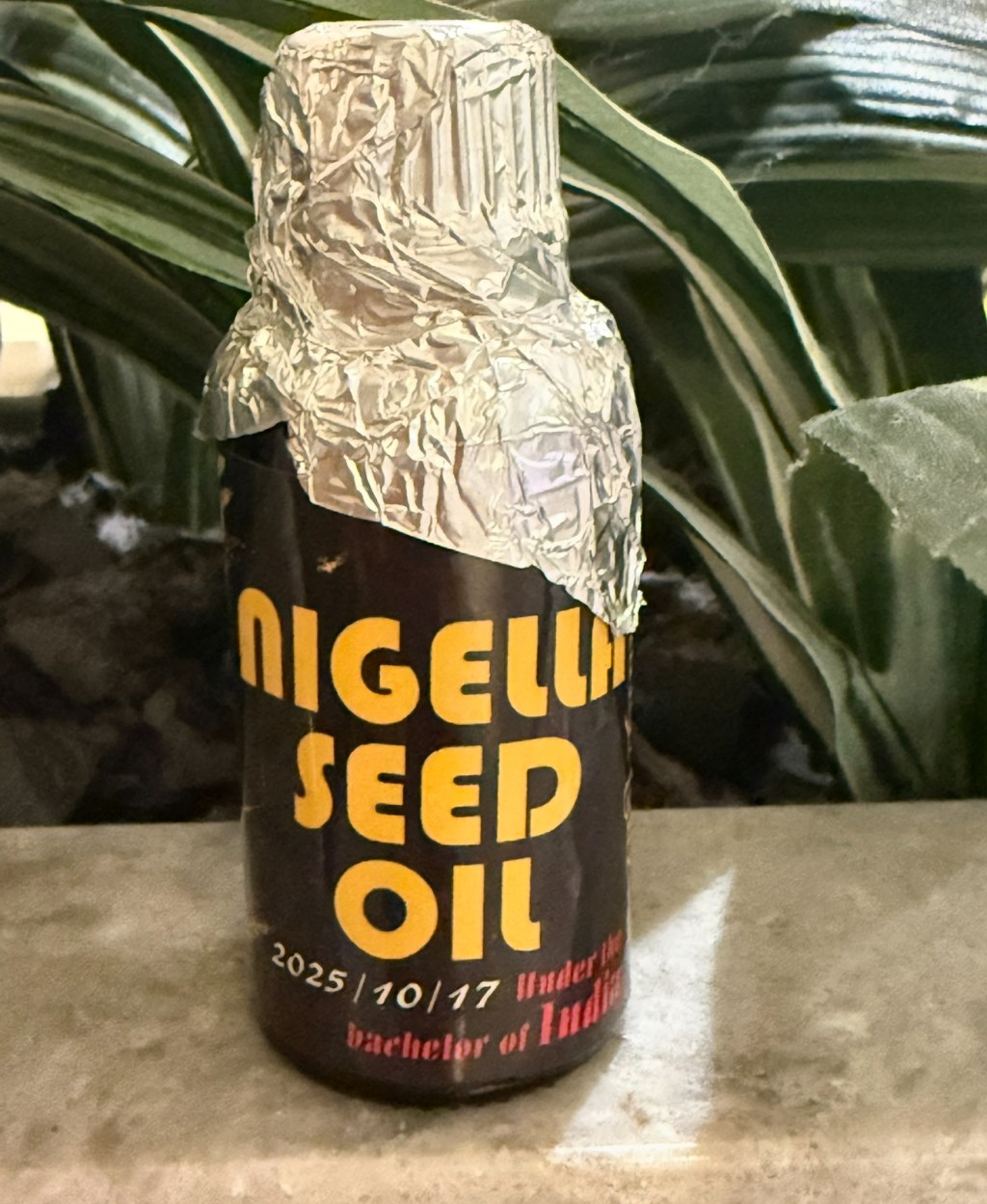
🛡️ 1. Boosts Immunity
- Contains thymoquinone, a powerful antioxidant and anti-inflammatory compound.
- Supports immune response and may help your body fight infections more effectively.
💪 2. Anti-inflammatory Effects
- Helps reduce chronic inflammation linked to conditions like arthritis, asthma, and allergies.
- May relieve muscle and joint pain when applied topically.
🧠 3. Supports Brain Health
- Thymoquinone shows neuroprotective properties — may help protect against cognitive decline and memory issues.
- Studied for its potential in managing anxiety and depression.
❤️ 4. Improves Heart Health
- May help lower blood pressure and cholesterol levels.
- Promotes better circulation and supports overall cardiovascular function.
🌾 5. Helps Control Blood Sugar
- Can support glucose regulation, especially helpful for people with type 2 diabetes.
- Helps reduce insulin resistance.
✨ Skin & Hair Benefits

🧴 6. Fights Acne and Blemishes
- Antibacterial and anti-inflammatory properties help reduce acne-causing bacteria.
- Soothes irritated skin and balances oil production.
💧 7. Moisturizes and Nourishes Skin
- Rich in essential fatty acids, vitamins A, B, and C — helps hydrate dry skin, even out tone, and reduce redness.
🌿 8. Reduces Eczema and Psoriasis Symptoms
- Calms flare-ups and soothes itching or irritation in inflammatory skin conditions.
💇 9. Supports Hair Growth
- Strengthens hair follicles and helps prevent hair thinning.
- Massaging into scalp may improve circulation and stimulate hair growth.
⚠️ Possible Side Effects / Warnings
- Always dilute before applying to skin (especially on face).
- May cause allergic reactions in some individuals.
- Pregnant or breastfeeding? Consult your doctor before using.
- If taken internally, stick to recommended dosages — high doses can be toxic.
🧪 Forms & How to Use
- Capsules – for daily supplementation.
- Oil (liquid) – can be taken by spoon (usually 1 tsp/day) or applied topically.
- Mixed into lotions, shampoos, or masks for skin/hair use.
Here’s a simple daily routine using Nigella Seed Oil (Black Seed Oil) — you can customize it depending on your goals: immunity, skin, or hair.
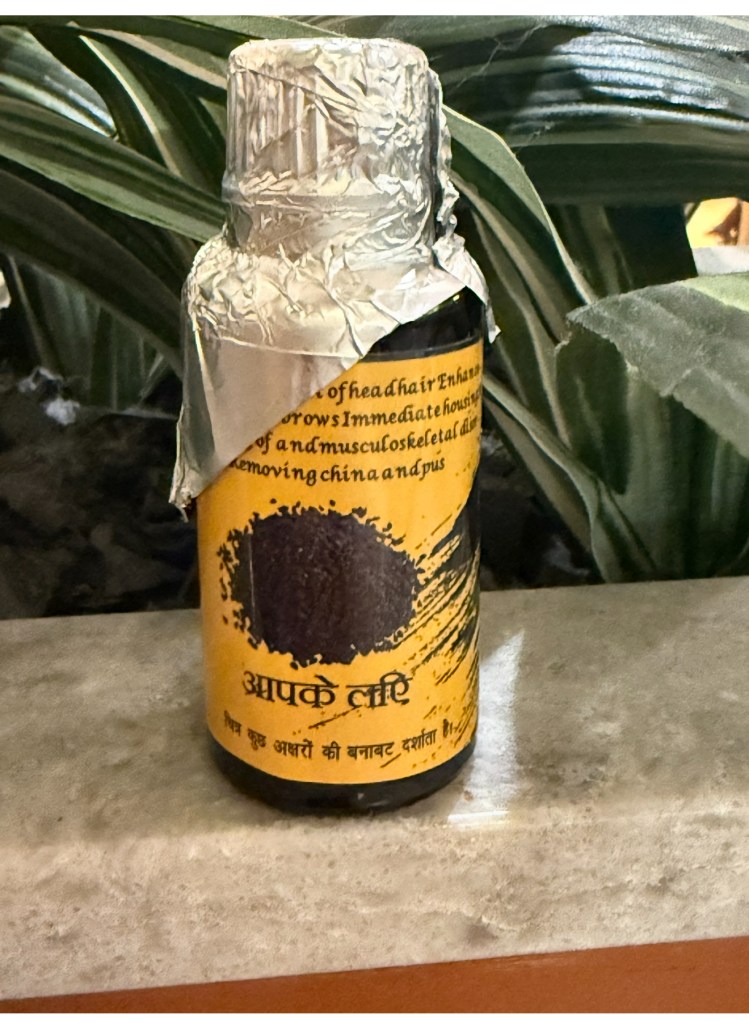
🌞 Morning Routine: Internal Use for Immunity & Energy
✅ What to Do:
- Take 1 teaspoon (5 ml) of black seed oil on an empty stomach.
- Optionally, mix it with:
- A bit of honey (for taste + extra immune support).
- Or warm water with lemon.
- A bit of honey (for taste + extra immune support).
🕐 When: Right after waking up, before breakfast.
📌 Why: Boosts immunity, digestion, energy, and reduces inflammation.
🧴 Skin Routine (Day or Night)

✅ What to Do:
- Mix a few drops of nigella oil into your regular moisturizer, or:
- Apply it directly to problem areas (like acne or dry patches) diluted with a carrier oil (e.g. jojoba or argan).
🕐 When: After cleansing, morning or evening.
📌 Why: Helps with acne, redness, dryness, and gives a healthy glow.
💆♀️ Hair & Scalp Routine (2–3 times per week)
✅ What to Do:
- Mix 1 tablespoon nigella oil with 1 tablespoon coconut or olive oil.
- Warm it slightly, then massage into your scalp for 5–10 minutes.
- Leave on for 30–60 minutes (or overnight if tolerated), then wash out.
🕐 When: 2–3 times a week, depending on your hair type.
📌 Why: Strengthens roots, reduces hair fall, encourages growth, soothes dandruff or itchiness.
🌙 Evening Option (Optional Extra Boost)
- If you’re dealing with stress, anxiety, or sleep issues, take another ½ tsp of black seed oil with warm herbal tea or milk before bed.
🕐 When: 30–60 minutes before sleep.
📌 Why: May help relax the nervous system and support better sleep.
⚠️ Notes:
- Always start with a low dose (½ tsp/day) if you’re new to internal use.
- Make sure the oil is cold-pressed, 100% pure, and stored in a dark bottle.
- If you’re taking medications or have a health condition — talk to your doctor first.





 Life is for living. Breathe. Move. Be
Leave a comment