


To be healthy, you have three key responsibilities every day: eat well, move your body, and sleep. Of these, sleep should be the easiest, right? Well, in theory, yes. But many people struggle with sleep, whether it’s due to not getting enough of it, difficulty falling asleep, or waking up repeatedly throughout the night. With the fast-paced lives we all lead today, it’s no surprise that sleep often takes a backseat. We rush from one appointment to the next, shuttle kids around, and spend hours staring at screens—trying to squeeze everything in. Then, when it’s time to rest, winding down can feel nearly impossible.
Do sleep hygiene!

What does sleep hygiene mean? It refers to the healthy habits, behaviors, and environmental factors you can adjust to improve your sleep quality. This includes creating a bedroom environment and daily routines that promote consistent, restful sleep. Key practices include maintaining a regular sleep schedule, ensuring your bedroom is comfortable and free from distractions, following a calming bedtime routine, and more. Some sleep issues stem from poor habits developed over years, or even decades.
Follow a consistent sleep schedule.

Move Daily
Daytime activity helps regulate your internal clock, making it easier to fall asleep at night. However, there’s one important caveat: avoid intense exercise right before bed. While light walking or general movement in the evening is fine, a vigorous workout too close to bedtime can delay your body’s readiness for sleep.
Limit Stimulants
Stimulants like caffeine can interfere with your sleep and disrupt the natural balance between wakefulness and rest. To improve sleep, consider cutting back on caffeine, particularly after noon. Everyone’s tolerance is different, but if you’re struggling with sleep, it might help to avoid caffeine entirely later in the day.
Use Essential Oils

Use Essential Oils
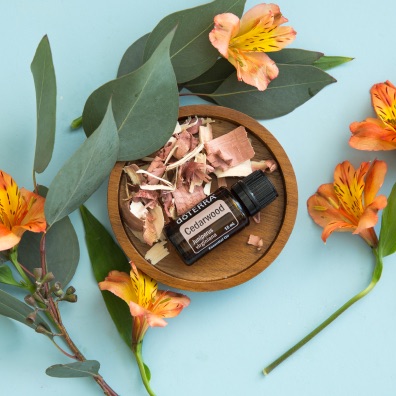
Now that you understand why sleep is essential for health, let’s explore natural sleep solutions. Many essential oils can help create a relaxing, calming atmosphere that promotes sleep. Soft, floral scents like Lavender and Roman Chamomile, along with grounding, centering aromas like Cedarwood and Sandalwood, can be particularly effective.







 Life is for living. Breathe. Move. Be
Leave a comment