
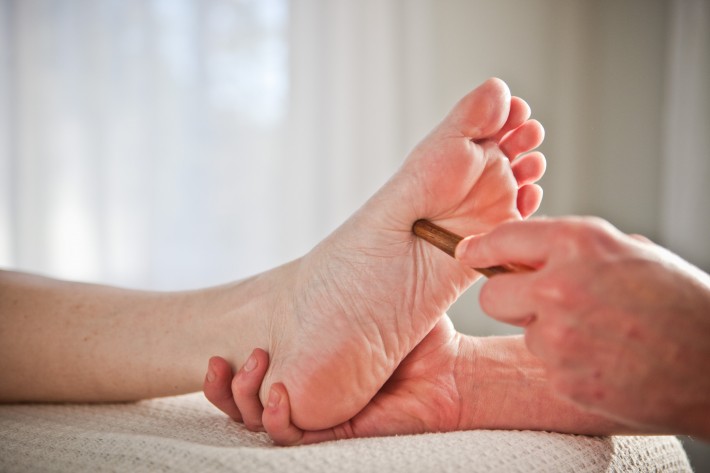
Reflexology is distinct from a standard foot massage. While a regular massage focuses on muscles and relaxation, reflexology is a pressure-point therapy based on the theory that your feet are a “map” of your entire body.
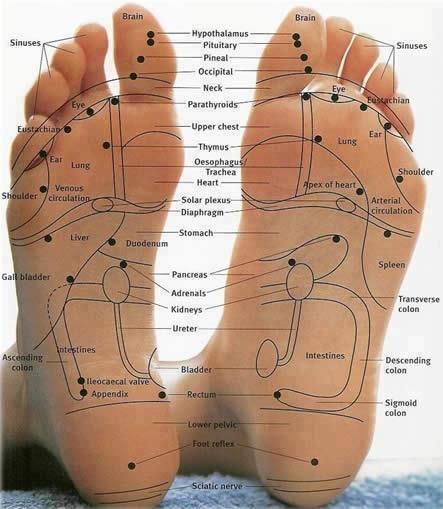
Here is a breakdown of how it works and the benefits you can expect.
How It Works: The “Map” Theory
Reflexology is built on the premise that there are over 7,000 nerve endings in your feet. These are not just isolated nerves but are linked to specific organs and systems through the central nervous system.
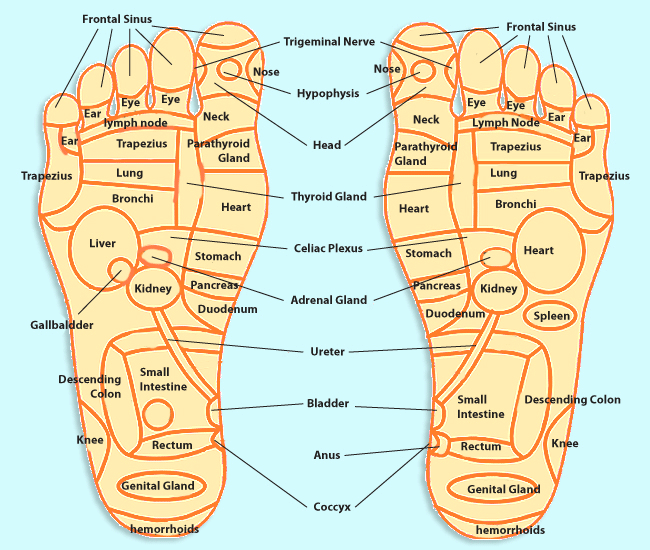
Practitioners divide the foot into zones that correspond to the body
- The Toes (Head & Neck): The tips of the toes represent the brain and sinuses.
- The Ball of the Foot (Chest): This area corresponds to the lungs, heart, and shoulders.
- The Arch (Internal Organs): This soft middle part links to the liver, stomach, and kidneys.
- The Heel (Pelvis): The heel and ankle areas connect to the lower back, reproductive organs, and sciatic nerve.
The Two Schools of Thought
Depending on who you ask, the “mechanism” of how it works is explained in two ways:
- The Scientific View (Nervous System): Applying pressure to these nerve endings sends a calming message to the central nervous system. This shifts the body from a “fight or flight” (stress) state to a “rest and digest” state, allowing the body to heal itself and reducing pain signals.
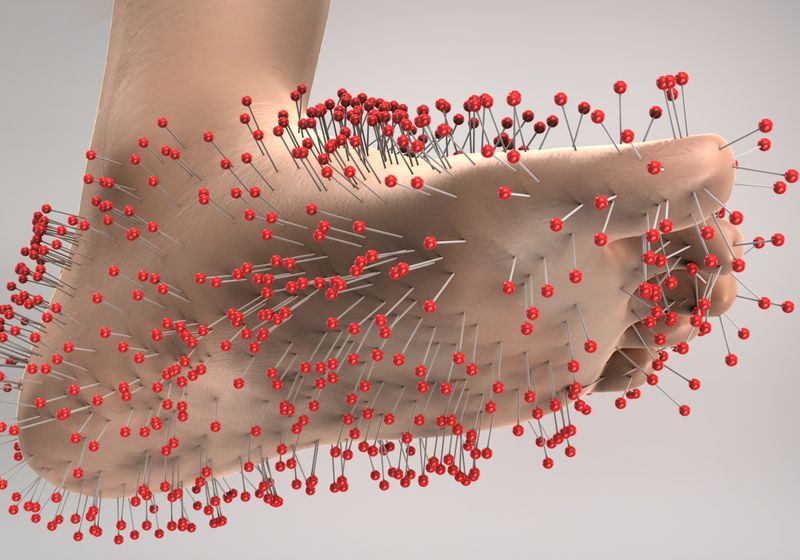
2. The Holistic View (Qi/Energy): In Traditional Chinese Medicine, it is believed that energy (Qi) flows through the body in channels. Stress creates “blockages” in this flow. Pressing the reflex points dissolves these blockages, restoring balance to the corresponding organ.
The Benefits
While it is not a cure for medical diseases, reflexology is highly effective as a complementary therapy.
1. Profound Stress Reduction (Best Proven Benefit)
The most immediate and scientifically supported benefit is the “relaxation response.” By calming the nervous system, reflexology can significantly lower blood pressure and anxiety levels. It is often used for patients in high-stress situations (like pre-surgery or cancer treatment) to improve mood and sleep.
2. Improved Circulation
Because feet are the furthest point from the heart, circulation can become sluggish there. The specific thumb-walking and pressure techniques used in reflexology pump blood back up toward the heart, which can help with edema (swelling) and oxygenation of tissues.
3. Pain Management
Many people use reflexology to manage chronic pain, specifically:
- Migraines/Headaches: By working the toe points (head/brain zones).
- Back Pain: By working the “spinal reflex,” which runs along the inner edge of the foot from the big toe to the heel.
- Plantar Fasciitis: While not a medical cure, it loosens the tight connective tissues in the foot that cause heel pain.
4. Digestion Support
By stimulating the arch of the foot (where the stomach and intestine points are located), many clients report improved digestion and relief from constipation.
What to Expect in a Session
If you book a reflexology appointment, it will differ from a spa pedicure or massage:
- It is dry: Unlike massage, reflexology often uses very little oil or lotion, as the therapist needs a firm grip to apply precise pressure.
- Sensations: It should not be painful, but you may feel “tender spots.” A reflexologist will tell you that a tender spot on the foot indicates congestion or imbalance in the corresponding body part (e.g., a tender arch might mean your stomach is upset).
- After-effects: It is common to feel thirsty, tired, or have increased urination after a session. This is viewed as the body “flushing out” toxins released during the treatment.




 Life is for living. Breathe. Move. Be
Leave a comment