
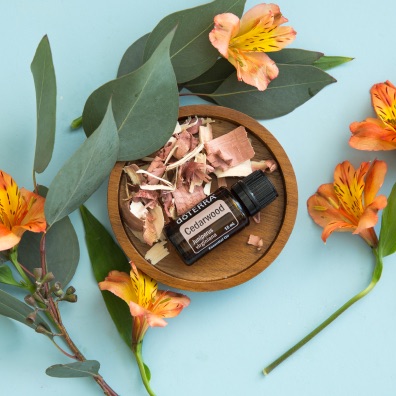
Cedarwood essential oil is usually produced from the wood of Juniperus virginiana, also known as Red Cedar. The oil is obtained through steam distillation of the heartwood. This type of tree grows in colder climates, often in higher elevations, and can reach about 30–100 feet (9–30 meters) in height depending on the environment. doTERRA specifically sources its cedarwood oil from Juniperus virginiana.

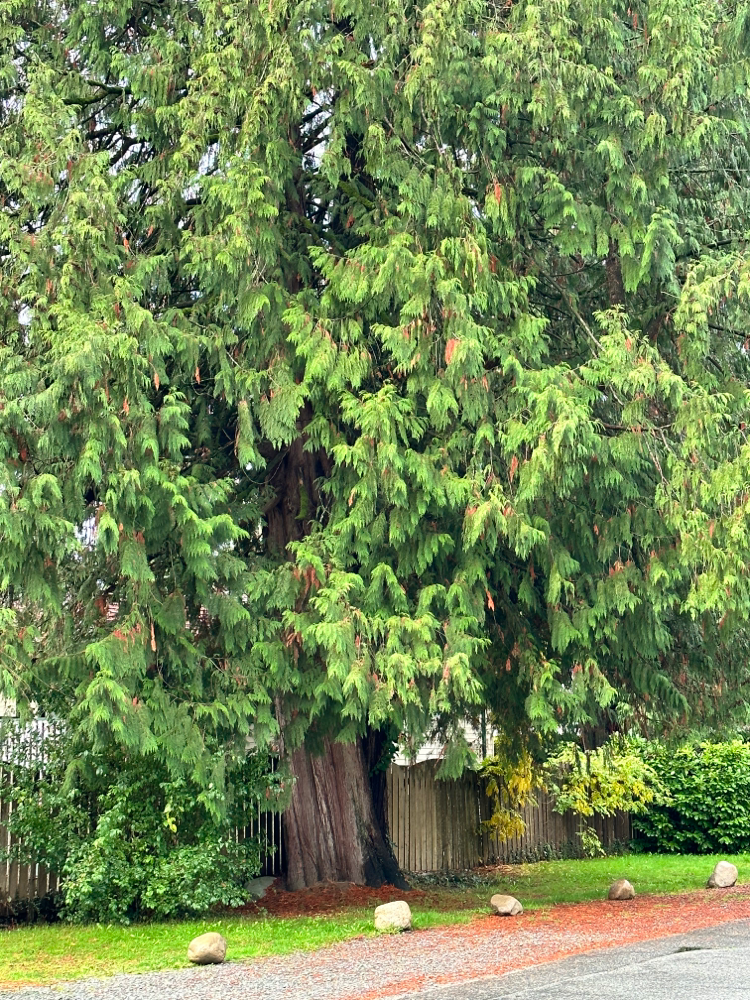
Among the many tree species that inhabit the humid rainforests of British Columbia, the mighty and fragrant Cedar has special significance for the indigenous people.

Cedar has been considered sacred since time immemorial, as the tree provided people with shelter, transportation, clothing, and tools. And it was also the most common means of artistic expression. Its bark and roots were used for basket weaving, a traditional indigenous art form.
Story of Cedar
The Coast Salish peoples have a creation story that explains the origin of Cedar. According to the stories, there once lived a good man who always gave away his things and others. The Creator recognized the goodness of man and declared that when a man dies, where he is buried, a red cedar will grow, and this tree will continue to help people. The story for Yellow Cedar is a little different. According to their stories, the yellow cedars were transformed from three young women who ran up the mountain. Therefore, yellow cedar trees are found on the slopes of subalpine mountains and have a soft inner bark, like a woman’s hair.

The most versatile part of cedar is the bark. The bark could be dyed and processed into various types of thread for rugs, clothing, blankets and hats. As well as roots and locks, the bark is also used to make ropes, baskets and fishing nets.

✨ Potential benefits and uses
Cedarwood oil is popular for a wide range of applications. Here are the most common ones:
🔹 Relaxation, emotional balance, and sleep support
When diffused, cedarwood creates a warm, woody, grounding atmosphere that helps reduce stress and promote relaxation. Many people use it before bedtime to unwind and create a calming environment.
🔹 Skincare benefits
When diluted with a carrier oil, cedarwood can be added to moisturizers or toners. It may help cleanse the skin, reduce irritation, and support a healthy-looking complexion.
🔹 Hair and scalp care
Cedarwood oil is often used to support scalp health, reduce dandruff, balance excess oil, and improve circulation to hair follicles. People commonly add a few drops to shampoo or use it in diluted scalp massage blends.
🔹 Natural insect repellent
Cedarwood is known for its insect-repelling properties. It’s often used in closets or storage spaces to protect clothing from moths and pests — simply apply a drop to a cotton ball and place it inside the closet.
🔹 Massage and self-care
When added to massage oils, cedarwood helps relax tense muscles and create a grounding effect. You can also add 1–2 drops to a warm bath for a calming experience.
⚠️ Important safety notes
While cedarwood oil has many traditional uses, scientific evidence is limited for some claimed effects (such as promoting hair growth or treating skin conditions). Always dilute cedarwood oil with a carrier oil before applying it to the skin. Do a patch test first — sensitivities are possible. Essential oils should not be ingested; they are intended for aromatic or topical use only.
How to make cedar tea?
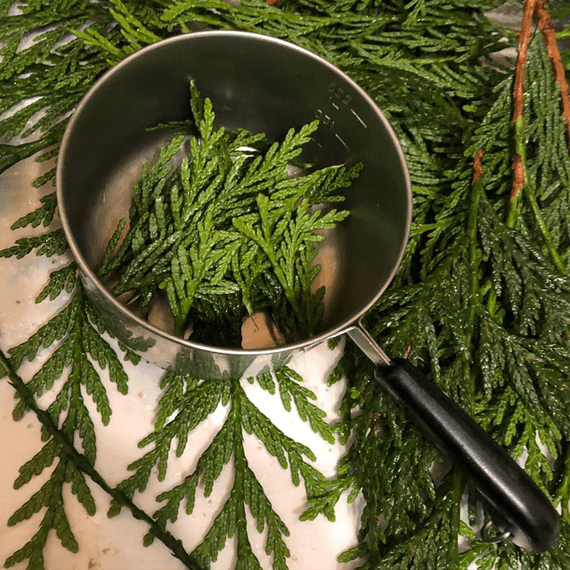
Cedar is used to purify homes, in sweat-lodge ceremonies, and as a medicine. The tea of simmered branches is used to treat fevers and rheumatic complaints, chest colds, and flu. This brew is delicious warm or cold and is simple to make.
Just simmer 2 cups of fresh cedar in 4 cups of boiling water for about 10 minutes until the water becomes a golden color.
Strain off the cedar and sweeten with maple syrup, to taste.





 Life is for living. Breathe. Move. Be
Leave a comment