
Mosquito Repellent
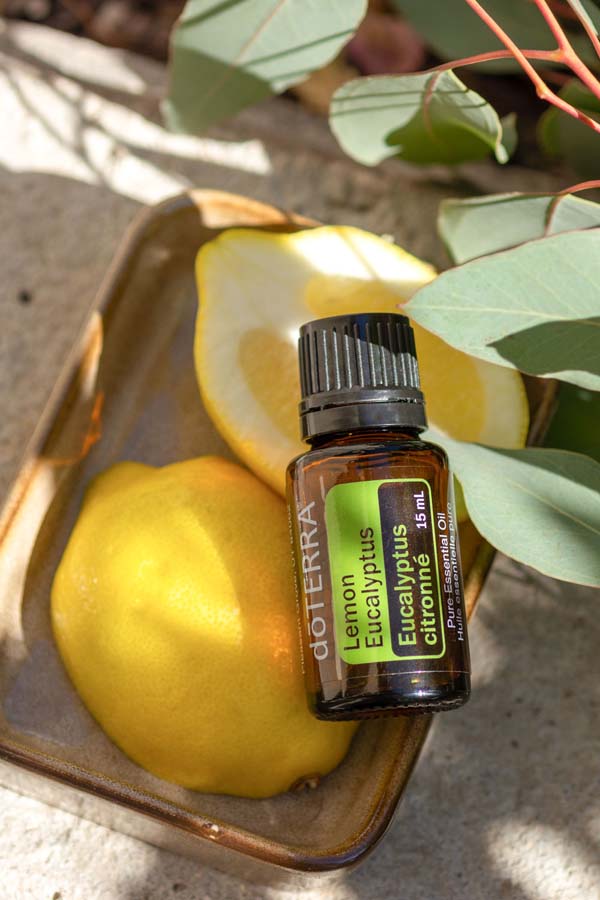
The EPA maintains a selective list of insect repellents proven to be both safe and effective. Among the natural options, Oil of Lemon Eucalyptus (OLE) is a standout. Its active ingredient, PMD, effectively repels mosquitoes and other insects. However, OLE should not be used on children under the age of three. It is also important to distinguish OLE from “lemon eucalyptus essential oil”; despite their similar names, they have different chemical compositions.
Clear Stuffy Nose
Research indicates that this oil helps combat respiratory infections through its antimicrobial properties, effectively targeting bacteria, viruses, and fungi. For this reason, it is a common ingredient in saline nasal washes. Additionally, the oil stimulates cilia—the microscopic, hair-like filaments in the lungs. By increasing the speed at which these cilia sweep mucus and debris from the airways, the oil enhances the body’s natural ability to clear out pathogens.
Ease Arthritis Pain
Eucalyptus is a common ingredient in topical analgesics, such as sprays, creams, and salves. While it typically serves as a secondary ingredient rather than the primary painkiller, it acts as a counterirritant. By producing a cooling or warming sensation on the skin, it helps distract the brain from underlying aches and provides soothing relief.

Post-Surgery Painkiller
Clinical research suggests that inhaling eucalyptus oil may significantly aid post-surgical recovery. In a study involving knee replacement patients, those who practiced eucalyptus aromatherapy reported lower pain levels and exhibited reduced blood pressure. These effects are attributed to 1,8-cineole, a major constituent of the oil. This compound is believed to interact with the olfactory system to modulate the nervous system, effectively lowering physiological stress markers.
💧
How to Use Eucalyptus Essential Oil
- Aromatherapy (Diffuser or Inhalation)
Add 5–8 drops to a diffuser or bowl of hot water and inhale the steam for respiratory relief and mental clarity. - Topical Use (Always Dilute!)
Mix with a carrier oil (e.g. coconut or jojoba) at a 2–3% dilution (about 6 drops per tablespoon).
- Apply to chest or back for cold relief
- Massage into sore muscles or joints
- Dab on temples for headache relief
- Apply to chest or back for cold relief
- Shower or Bath
- Add a few drops to the shower floor or use in a bath (diluted with carrier oil or Epsom salt) for steam inhalation and body relaxation.
- Add a few drops to the shower floor or use in a bath (diluted with carrier oil or Epsom salt) for steam inhalation and body relaxation.
- Natural Cleaning
- Mix with vinegar and water to create a disinfecting spray for surfaces.
- Mix with vinegar and water to create a disinfecting spray for surfaces.
- Hair and Scalp Treatment
- Add a drop to your shampoo to help with dandruff or itchy scalp.
- Add a drop to your shampoo to help with dandruff or itchy scalp.
Safety Tips
⚠️
- Not recommended for children under 3 years old.
- Always do a patch test before applying to skin.
- Avoid contact with eyes or open wounds.
- Do not ingest unless under guidance of a healthcare provider.





 Life is for living. Breathe. Move. Be
Leave a comment