
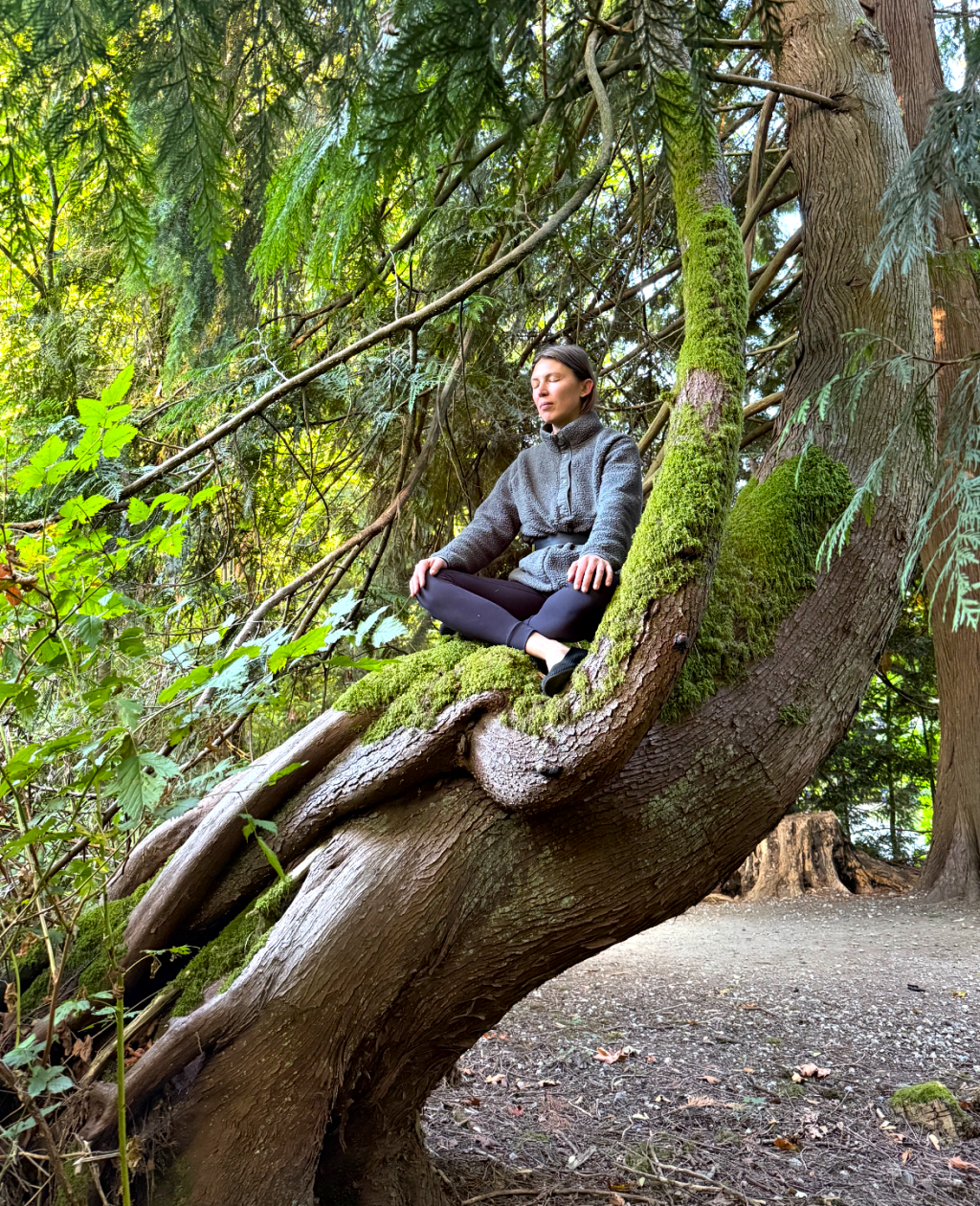
Yoga and meditation have seen a global surge in popularity, typically marketed as pathways to health and relaxation. In particular, mindfulness meditation has moved into the cultural mainstream over the last decade. While this practice originated within the ancient spiritual traditions of Asia—notably Buddhism, Hinduism, and Daoism—it gained significant traction in the West during the 1960s. Today, fueled by both Western influence and local movements, mindfulness is experiencing a resurgence in modern Asian hubs like Hong Kong. This widespread adoption is further validated by a growing body of academic research documenting its diverse therapeutic effects.
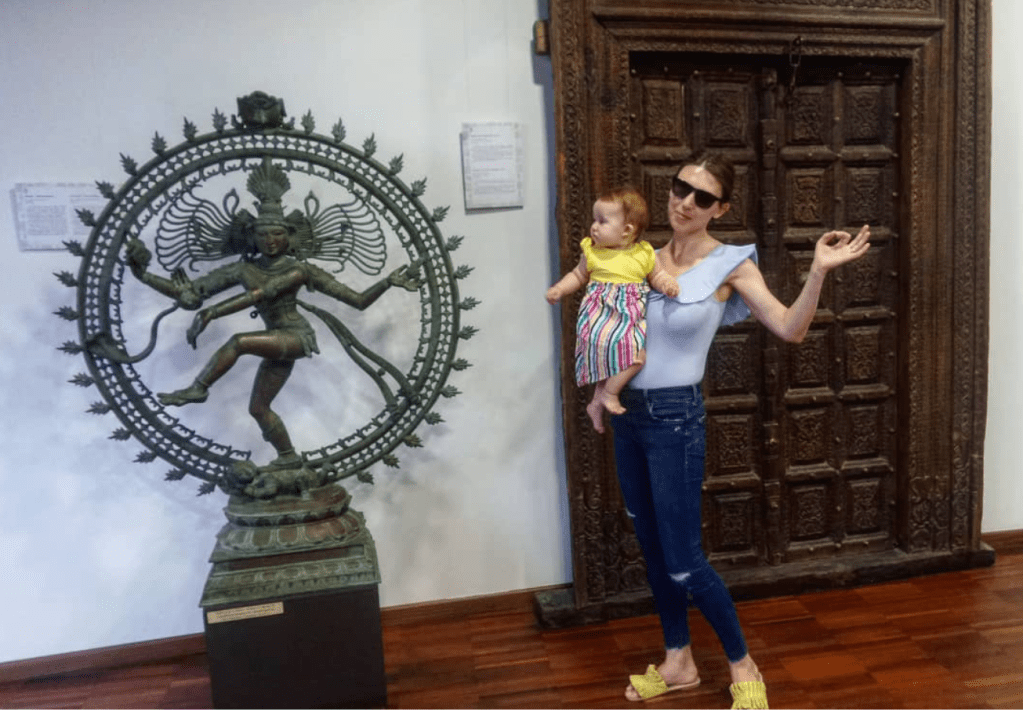
For beginners, approaching meditation through the familiar symbols and forms of a specific religious culture is a logical starting point. However, the nature of belief itself can sometimes create a barrier, making it difficult to move beyond external forms toward a direct experience of unconditioned meditative awareness.
In some instances, the specific goals tied to religious frameworks can actually obstruct the true meditative experience. The fundamental distinction lies between the direct, unitive experience of “Being” and a formal practice rooted in a belief system. Because religious identity is learned rather than innate, the meditative awareness we are born with does not depend on any specific doctrine—though these structures can serve as helpful scaffolding for recognizing and maintaining that state.

Ultimately, it is only through meditative awareness that we can clearly observe the ever-changing circumstances of our lives. Without this clarity, our perceptions are easily clouded by preconceptions, misconceptions, and prejudices. When we are honest enough to acknowledge these mental distortions, we often seek a remedy; that remedy, fundamentally, is meditation.
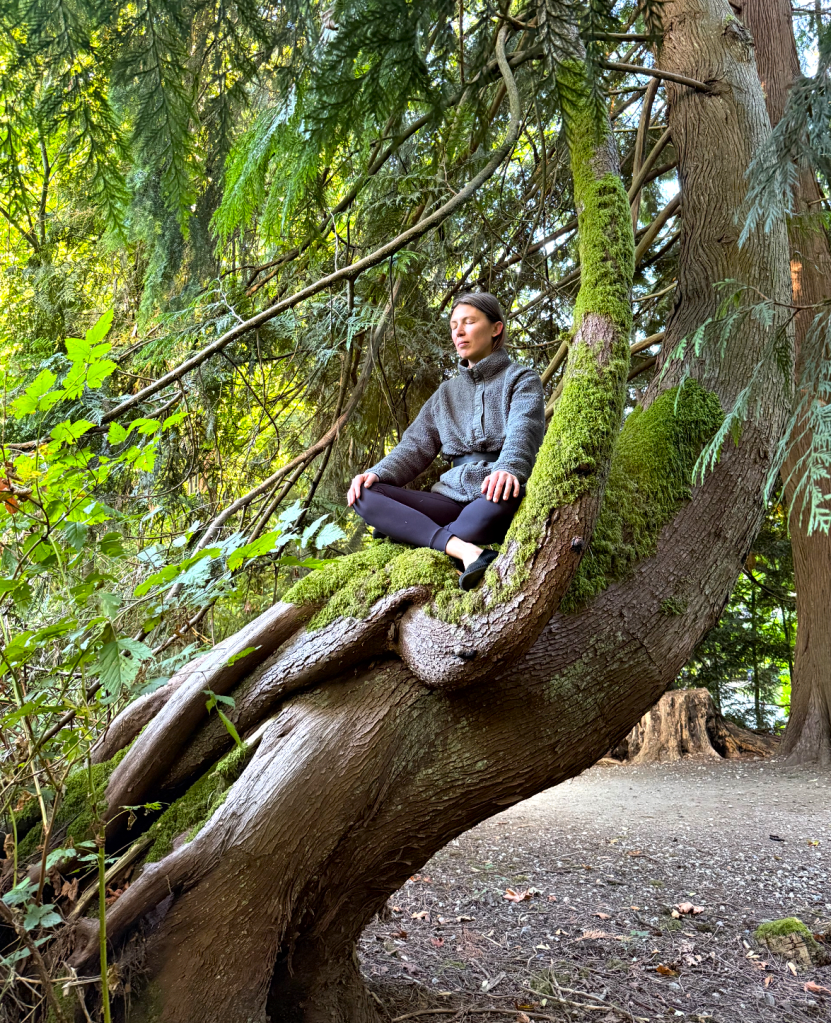







 Life is for living. Breathe. Move. Be
Leave a comment