
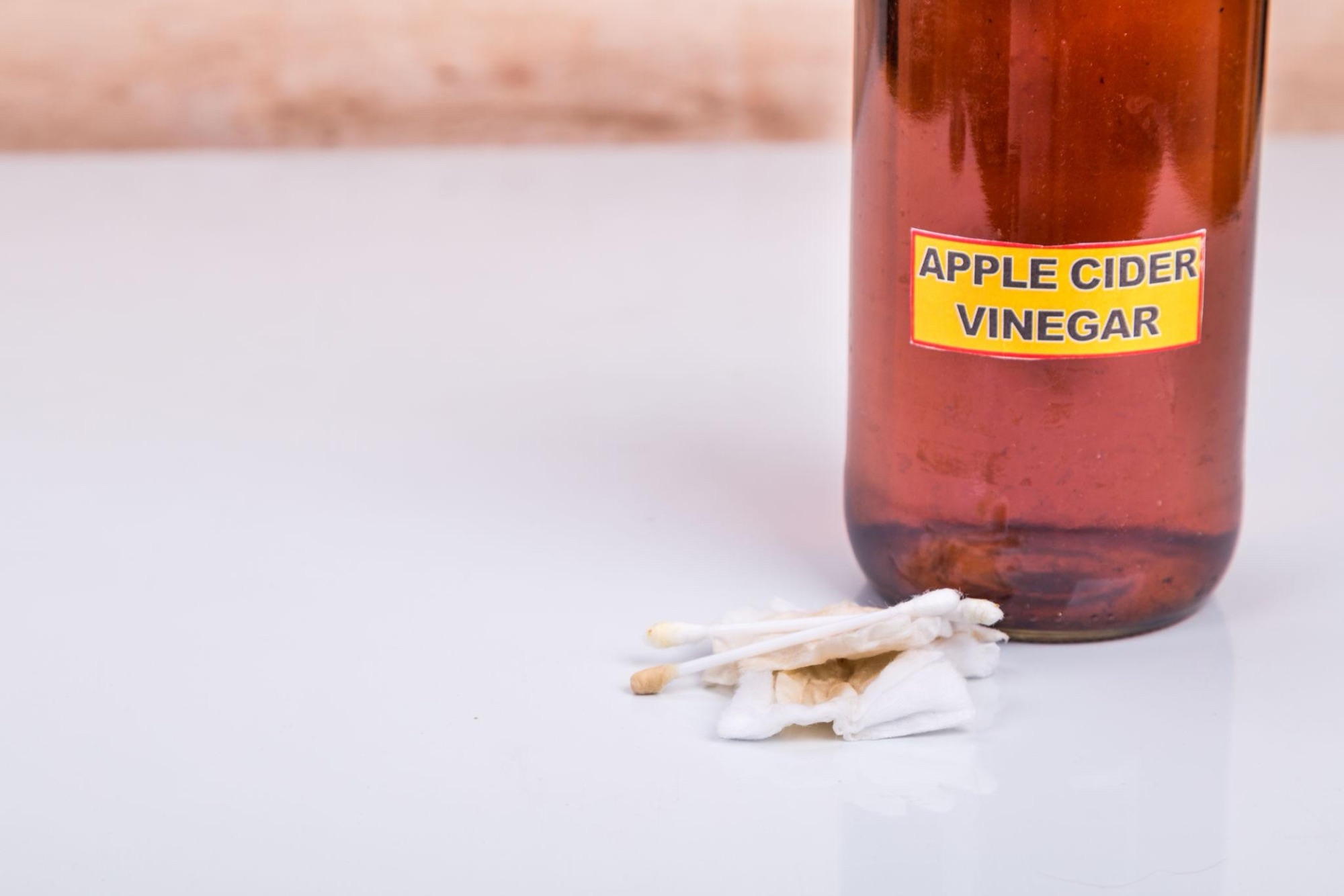
What is Vinegar?

Vinegar (from the French vinaigre, meaning “sour wine”) is an acidic liquid produced through the fermentation of alcohol. It has been used for centuries as both a culinary ingredient and a natural preservative.
Typically, vinegar contains 4–8% acetic acid, giving it a taste that can range from sharp and intense to mild and balanced. Beyond cooking, vinegar—especially apple cider vinegar—has long been valued in natural health practices.
🌿 Key Properties & Benefits

Vinegar is known for its wide range of supportive properties:
Supports calcium absorption, potentially strengthening bones, hair, and nails
Possesses antiseptic and astringent qualities
May help support urinary tract health
Acts as a natural antispasmodic
Exhibits antibacterial and antifungal effects
Supports digestion and may help balance metabolism
Traditionally used as a tonic for sore throat relief
Can gently stimulate appetite regulation when taken before meals
✨ Practical Uses

Here are some common traditional and home uses of vinegar:
Morning tonic: Drink a small amount of apple cider vinegar diluted in warm water before meals to support digestion
Respiratory support: Inhaling steam from warm vinegar may help ease bronchial discomfort and mucus buildup
Sleep support: A warm drink of water with apple cider vinegar and honey before bed may promote relaxation
Digestive aid: Diluted vinegar can be used to support mild digestive discomfort
Skin relief: Applied topically (diluted), vinegar may soothe insect bites and reduce swelling
Cold remedy: Warm water with vinegar and honey is traditionally used for colds and coughs
Foot care: Vinegar is commonly used in foot soaks for fungal conditions Bath addition: Adding vinegar to bath water may help soothe skin and support natural detox processes
🌍 Vinegar in Traditional Medicine
Across cultures, vinegar has played an important role in natural healing systems:

🏺 Ancient Greece

The physician Hippocrates used vinegar as a medicinal tonic. It was applied for wound cleansing and mixed with honey to treat coughs and infections.
🌿 Traditional Chinese Medicine

In Traditional Chinese Medicine, vinegar is believed to:
improve circulation support liver function help “move stagnant energy” (Qi) Black rice vinegar is especially valued for internal balance.
🪔 Ayurveda (India)

Within Ayurveda, diluted vinegar (especially apple cider) is sometimes used to:
stimulate digestion (agni) support detoxification balance certain metabolic processes
🌾 Folk Medicine (Europe & Middle East)

A traditional remedy called oxymel (vinegar + honey) has been used for centuries to:
soothe coughs
boost immunity
support respiratory health

⚠️ Important Note
While vinegar can be a supportive natural remedy, it should always be used in moderation and properly diluted. Excessive or undiluted use may irritate the digestive system or damage tooth enamel.
If you have chronic conditions or are pregnant, consult a healthcare professional before using vinegar therapeutically.








Leave a Reply